
Contents
- 🌆 Introduction to New York City
- 🗺️ Geography and Climate
- 📈 Economy and Finance
- 🎨 Culture and Entertainment
- 📚 Academics and Scientific Output
- 👗 Fashion and Arts
- 🕊️ International Diplomacy
- 🚂 Transportation and Infrastructure
- 🏙️ Boroughs and Neighborhoods
- 📊 Demographics and Statistics
- 📰 History and Development
- 🔮 Future Prospects and Challenges
- Frequently Asked Questions
- Related Topics
Overview
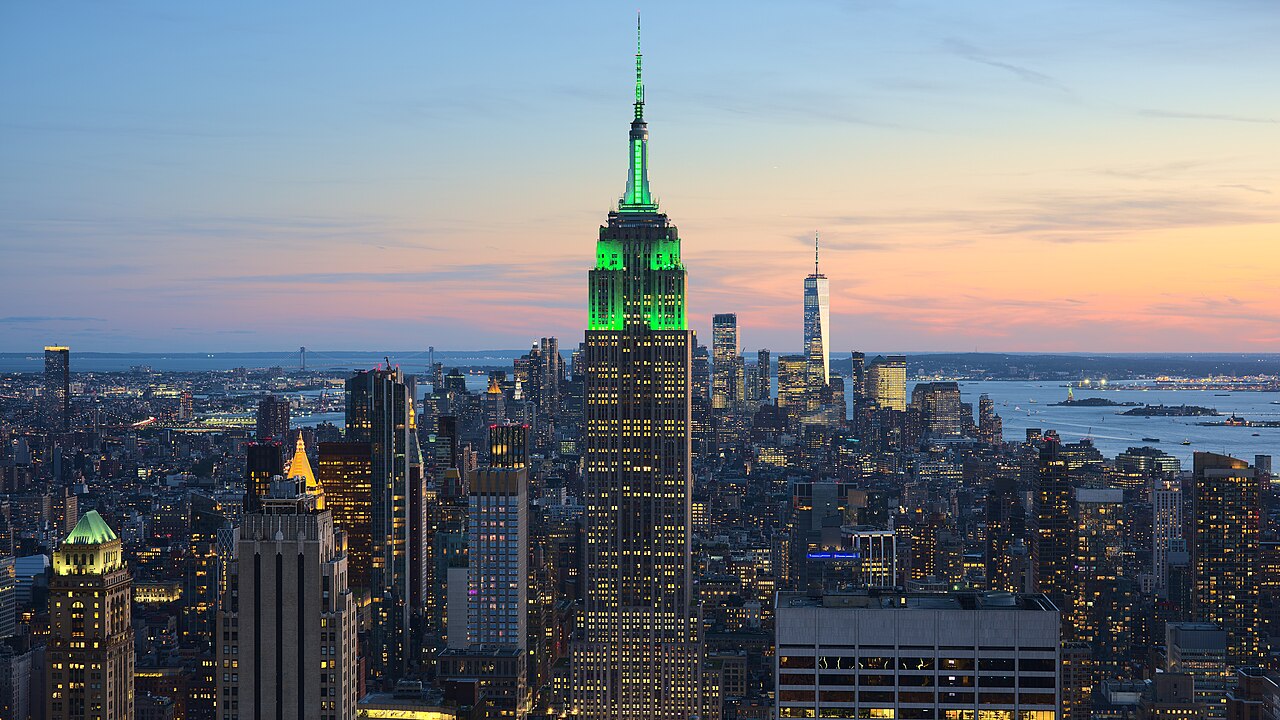
New York City, often called the city that never sleeps, is a global hub of activity, with a vibe score of 95 out of 100. As the most populous city in the United States, it is home to over 8.4 million people, with a population density of over 27,000 people per square mile. The city is a center of finance and commerce, with the New York Stock Exchange and Wall Street being two of the most iconic institutions in the world. New York City is also a hub of culture, with numerous museums, galleries, and performance venues, including the Metropolitan Museum of Art and Carnegie Hall. The city is also home to many prestigious universities, including Columbia University and New York University.
🗺️ Geography and Climate
The city's geography is characterized by its location on the southern tip of New York State, with the Hudson River to the west and the East River to the east. The city's climate is humid subtropical, with cold winters and hot summers. The city's geography and climate have made it an attractive location for trade and commerce, with the Port of New York and New Jersey being one of the busiest ports in the world. The city is also home to many parks and green spaces, including Central Park and Prospect Park. The city's transportation system is also one of the most comprehensive in the world, with the New York City Subway being one of the largest and busiest subway systems in the world.
📈 Economy and Finance
New York City is a global center of finance and commerce, with many of the world's largest companies having headquarters or major operations in the city. The city is home to the Federal Reserve Bank of New York, which is one of the most important institutions in the US financial system. The city is also a hub of technology and entrepreneurship, with many startups and venture capital firms based in the city, including Silicon Alley. The city's economy is also driven by its thriving arts and culture scene, with many museums, galleries, and performance venues, including the Guggenheim Museum and Brooklyn Academy of Music.
🎨 Culture and Entertainment
New York City is a global center of culture and entertainment, with many world-class museums, galleries, and performance venues. The city is home to many iconic landmarks, including the Statue of Liberty and Times Square. The city is also a hub of music and theater, with many world-class venues, including Madison Square Garden and Radio City Music Hall. The city's food scene is also one of the most diverse and vibrant in the world, with many restaurants serving cuisine from around the world, including Chinatown and Little Italy.
📚 Academics and Scientific Output
New York City is a global center of academics and scientific output, with many prestigious universities and research institutions based in the city. The city is home to many world-class universities, including Harvard University and Massachusetts Institute of Technology, which have campuses or partnerships in the city. The city is also a hub of scientific research, with many institutions, including the National Institutes of Health and the American Museum of Natural History. The city's universities and research institutions are also major drivers of innovation and entrepreneurship, with many startups and spinoffs based in the city.
👗 Fashion and Arts
New York City is a global center of fashion and arts, with many world-class designers and artists based in the city. The city is home to many iconic fashion brands, including Calvin Klein and Ralph Lauren. The city's fashion scene is also driven by its many fashion schools and universities, including the Fashion Institute of Technology. The city's arts scene is also one of the most vibrant and diverse in the world, with many museums, galleries, and performance venues, including the Museum of Modern Art and the Whitney Museum of American Art.
🕊️ International Diplomacy
New York City is home to the headquarters of the United Nations, which makes it a global center of international diplomacy. The city is also a hub of international trade and commerce, with many countries having diplomatic missions and trade offices in the city. The city's international character is also reflected in its many ethnic neighborhoods, including Jackson Heights and Astoria. The city's diversity is also one of its greatest strengths, with people from all over the world living and working in the city.
🚂 Transportation and Infrastructure
New York City has a comprehensive transportation system, with many options for getting around the city. The city is home to one of the largest and busiest subway systems in the world, with the New York City Subway having over 472 stations and 850 miles of track. The city is also a hub of air travel, with three major airports, including John F. Kennedy International Airport and LaGuardia Airport. The city's transportation system is also one of the most expensive in the world, with the cost of living in the city being one of the highest in the US.
🏙️ Boroughs and Neighborhoods
New York City is composed of five boroughs, each with its own unique character and charm. The boroughs are Manhattan, Brooklyn, Queens, The Bronx, and Staten Island. Each borough has its own distinct neighborhoods, with many iconic landmarks and attractions, including Times Square and Central Park. The boroughs are also home to many different ethnic and cultural groups, with the city being one of the most diverse in the world.
📊 Demographics and Statistics
New York City is one of the most populous cities in the world, with over 8.4 million people living in the city. The city's population density is also one of the highest in the world, with over 27,000 people per square mile. The city's demographics are also highly diverse, with people from all over the world living and working in the city. The city's population is also highly educated, with over 35% of residents having a bachelor's degree or higher. The city's economy is also one of the strongest in the world, with a GDP of over $1.7 trillion.
📰 History and Development
New York City has a rich and complex history, with the city being founded by the Dutch in the 17th century. The city has been a major hub of trade and commerce for centuries, with the Port of New York and New Jersey being one of the busiest ports in the world. The city has also been a major center of culture and entertainment, with many iconic landmarks and attractions, including the Statue of Liberty and Times Square. The city's history is also reflected in its many museums and historical sites, including the New York Historical Society and the American Museum of Natural History.
🔮 Future Prospects and Challenges
New York City is a city that is always looking to the future, with many new developments and projects underway. The city is also a hub of innovation and entrepreneurship, with many startups and spinoffs based in the city. The city's economy is also one of the strongest in the world, with a GDP of over $1.7 trillion. However, the city also faces many challenges, including a high cost of living and a shortage of affordable housing. The city's transportation system is also one of the most congested in the world, with many commuters facing long and difficult commutes. Despite these challenges, New York City remains one of the most exciting and dynamic cities in the world, with a vibe score of 95 out of 100.
Key Facts
- Year
- 1624
- Origin
- Dutch Colonization
- Category
- Cities
- Type
- City
Frequently Asked Questions
What is the population of New York City?
The population of New York City is over 8.4 million people, with a population density of over 27,000 people per square mile. The city is one of the most populous cities in the world, and its population is highly diverse, with people from all over the world living and working in the city. The city's population is also highly educated, with over 35% of residents having a bachelor's degree or higher. For more information, see the Demographics of New York City.
What are the five boroughs of New York City?
The five boroughs of New York City are Manhattan, Brooklyn, Queens, The Bronx, and Staten Island. Each borough has its own unique character and charm, with many iconic landmarks and attractions, including Times Square and Central Park. For more information, see the Boroughs of New York City.
What is the economy of New York City like?
The economy of New York City is one of the strongest in the world, with a GDP of over $1.7 trillion. The city is a global center of finance and commerce, with many of the world's largest companies having headquarters or major operations in the city. The city is also a hub of technology and entrepreneurship, with many startups and venture capital firms based in the city. For more information, see the Economy of New York City.
What are some of the most popular tourist attractions in New York City?
Some of the most popular tourist attractions in New York City include the Statue of Liberty, Central Park, Times Square, and the Metropolitan Museum of Art. The city is also home to many world-class museums, galleries, and performance venues, including the Guggenheim Museum and Carnegie Hall. For more information, see the Tourist Attractions in New York City.
What is the transportation system like in New York City?
The transportation system in New York City is one of the most comprehensive in the world, with many options for getting around the city. The city is home to one of the largest and busiest subway systems in the world, with the New York City Subway having over 472 stations and 850 miles of track. The city is also a hub of air travel, with three major airports, including John F. Kennedy International Airport and LaGuardia Airport. For more information, see the Transportation in New York City.
What is the cost of living in New York City like?
The cost of living in New York City is one of the highest in the US, with the city being one of the most expensive places to live in the world. The city has a high cost of housing, with the median sales price of a home being over $1 million. The city also has a high cost of food, transportation, and other living expenses. However, the city also offers many benefits, including a high quality of life, excellent education and job opportunities, and a vibrant cultural scene. For more information, see the Cost of Living in New York City.
What are some of the challenges facing New York City?
Some of the challenges facing New York City include a high cost of living, a shortage of affordable housing, and a congested transportation system. The city is also facing many environmental challenges, including climate change and air pollution. However, the city is also taking many steps to address these challenges, including investing in renewable energy and increasing the availability of affordable housing. For more information, see the Challenges Facing New York City.