
Contents
Overview
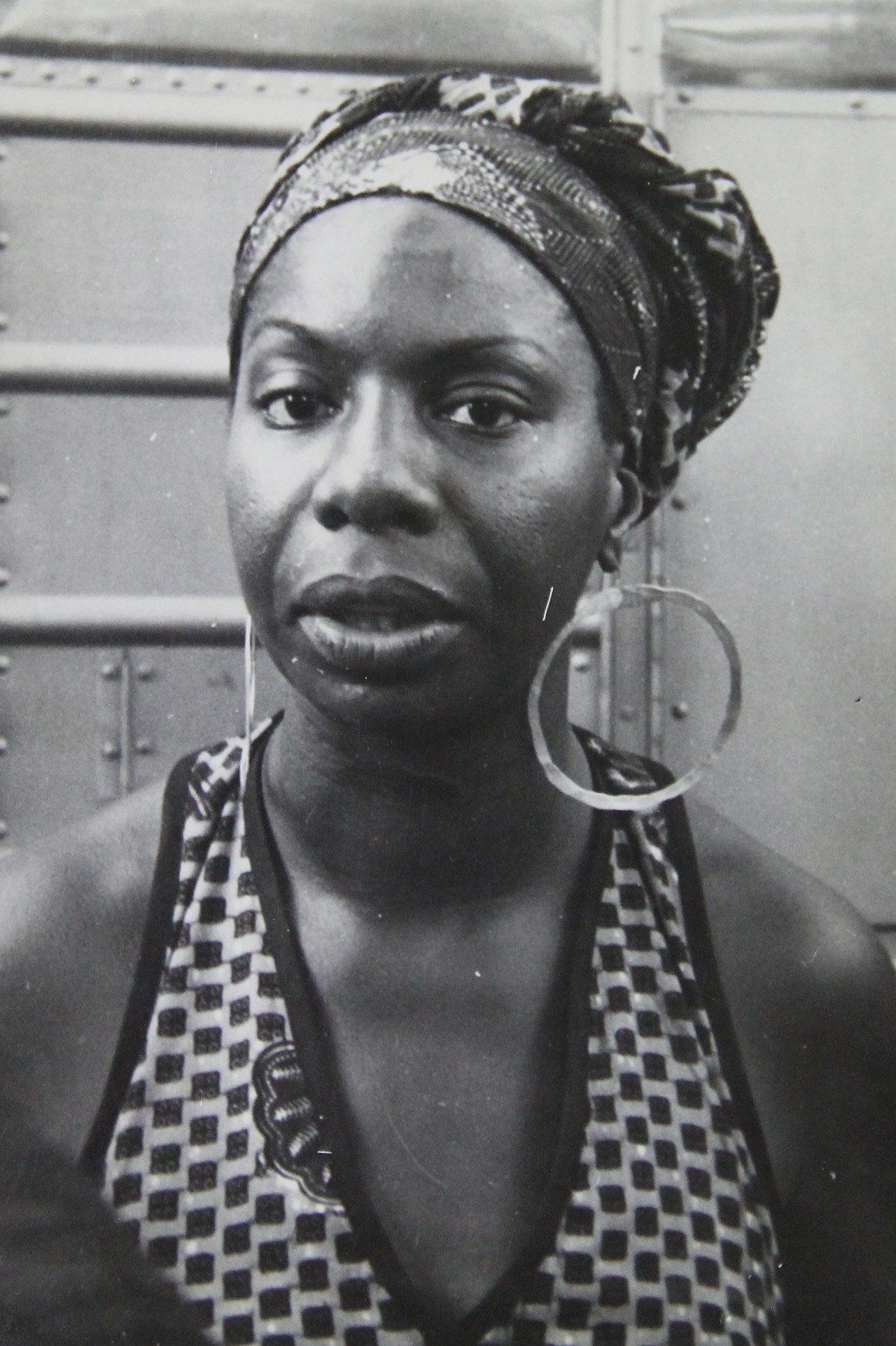
Nina Simone, born Eunice Kathleen Waymon in 1933, was far more than a singer; she was a force of nature whose music fused classical piano virtuosity with raw, blues-infused soul and gospel. Her career, spanning over four decades, produced iconic anthems like 'Mississippi Goddam,' 'Sinnerman,' and 'Feeling Good,' each a potent blend of personal catharsis and political protest. Simone's uncompromising artistic integrity and fierce activism made her a pivotal figure in the Civil Rights Movement, earning her the moniker 'High Priestess of Soul.' Despite facing significant personal and professional challenges, her distinctive voice and powerful piano style continue to resonate, influencing generations of artists and cementing her status as a cultural icon.
🎤 Who Was Nina Simone?
Nina Simone, born Eunice Kathleen Waymon on February 21, 1933, was far more than just a musician; she was a force of nature. An American pianist, singer, songwriter, and fierce civil rights activist, Simone carved a unique path through the 20th century. Her commanding stage presence and profound artistic integrity earned her the indelible moniker, the High Priestess of Soul. From her early days dreaming of a classical piano career to her emergence as a powerful voice for the marginalized, Simone's life was a testament to artistic courage and unwavering conviction. Her journey began in Tryon, North Carolina, where her prodigious talent was first recognized, setting the stage for a career that would defy categorization and inspire generations.
🎶 Musical Mastery & Genre Fusion
Simone's musical output was a breathtaking synthesis of diverse genres. While rooted in classical training, particularly her deep admiration for Bach's intricate compositions, she fearlessly blended elements of classical, folk, gospel, blues, jazz, R&B, and pop. Her distinctive contralto voice, imbued with a jazz-like expressiveness, delivered lyrics that were often poignant, political, and deeply personal. This genre-bending approach allowed her to connect with a vast audience, proving that profound artistry could transcend conventional boundaries. Her piano technique itself was a marvel, often incorporating baroque counterpoint into her arrangements.
✊ The Activist's Voice
Beyond her musical genius, Nina Simone was a pivotal figure in the Civil Rights Movement. She used her platform and her art to advocate for racial equality and justice, often at great personal risk. Songs like 'Mississippi Goddam' (1964), a furious response to the murder of Medgar Evers and the 16th Street Baptist Church bombing, became anthems of protest. Simone's activism wasn't confined to her music; she actively participated in marches and demonstrations, aligning herself with leaders like Martin Luther King Jr. and Malcolm X. Her unwavering commitment to the cause cemented her status as a cultural icon whose art was inextricably linked to social change.
🌟 The High Priestess of Soul
The title 'High Priestess of Soul' perfectly encapsulates Nina Simone's unique aura and artistic power. It speaks to her ability to channel deep emotion, spiritual resonance, and raw vulnerability through her performances. Her stage presence was legendary – often intense, commanding, and utterly captivating. She didn't just sing songs; she inhabited them, delivering each note with an authenticity that could silence a room. This profound connection with her audience, coupled with her masterful control over her voice and piano, established her as a singular artist whose influence continues to resonate in the soul and jazz traditions.
🎵 Key Recordings & Essential Tracks
Exploring Nina Simone's discography is an essential journey into American music. Essential listening includes 'I Put a Spell on You' (1965), a haunting rendition that became one of her signature songs. 'Feeling Good' (1965) showcases her powerful vocal delivery and optimistic spirit, while 'Sinnerman' (1965) is a tour-de-force of percussive piano and urgent vocals. For a deeper dive into her protest songs, 'Mississippi Goddam' is indispensable. Her albums like 'Pastel Blues' (1965) and 'Wild Is the Wind' (1966) are considered masterpieces, offering a comprehensive look at her artistic range and thematic depth.
🏛️ Legacy & Enduring Influence
Nina Simone's legacy is multifaceted and enduring. Rolling Stone has consistently recognized her among the greatest singers of all time, a testament to her lasting impact on popular music. Her fearless approach to genre, her unwavering commitment to social justice, and her profound emotional honesty continue to inspire contemporary artists across genres, from hip hop to indie rock. The Nina Simone Cultural Center and the ongoing recognition of her work ensure that her voice and her message remain relevant. Her influence can be seen in artists who prioritize authenticity and social consciousness in their work.
🤔 Understanding Her Impact
Understanding Nina Simone's impact requires acknowledging the tension between her classical aspirations and her role as a fiery activist. While she initially envisioned a career as a concert pianist, the realities of racial discrimination in the United States steered her towards a path where her music could serve a greater purpose. Her willingness to confront injustice head-on, often through provocative and challenging songs, set her apart. This duality – the refined artist and the revolutionary spirit – is central to her enduring appeal and the complexity of her artistic persona. Her Vibe score, while difficult to quantify, would undoubtedly be exceptionally high due to her cultural resonance and historical significance.
💡 Tips for New Listeners
For those new to Nina Simone, start with her mid-1960s recordings, particularly albums like 'Pastel Blues' or 'Wild Is the Wind.' Don't shy away from her protest songs; they are crucial to understanding her as an artist and activist. Pay close attention to her piano playing – the intricate arrangements and dynamic shifts are as compelling as her vocals. Consider exploring documentaries like 'What Happened, Miss Simone?' to gain context on her life and struggles. Finally, approach her music with an open mind, ready to be moved by its raw emotion and powerful message. Her music demands engagement, not passive listening.
Key Facts
- Year
- 1933
- Origin
- Tryon, North Carolina
- Category
- Music & Culture
- Type
- Person
Frequently Asked Questions
What is Nina Simone best known for?
Nina Simone is best known as a highly influential American singer, pianist, songwriter, and civil rights activist. Her unique musical style, which blended classical, jazz, blues, folk, and R&B, along with her powerful voice and commanding stage presence, earned her the title 'High Priestess of Soul.' She is also celebrated for her courageous activism and anthems of protest during the Civil Rights Movement.
What were Nina Simone's main musical influences?
Nina Simone's musical influences were diverse. She had a strong foundation in classical music, particularly admiring Bach, which heavily influenced her piano technique. She also drew inspiration from jazz, blues, gospel, folk, and R&B. This eclectic mix allowed her to create a distinctive sound that defied easy categorization.
How did Nina Simone contribute to the Civil Rights Movement?
Nina Simone was a dedicated activist who used her music as a powerful tool for social change. She wrote and performed protest songs like 'Mississippi Goddam' in response to racial violence and injustice. Simone actively participated in marches and demonstrations, lending her voice and influence to the struggle for racial equality. Her commitment was unwavering, making her music an integral part of the movement's cultural landscape.
What are some essential Nina Simone songs to listen to?
Essential Nina Simone tracks include 'I Put a Spell on You,' 'Feeling Good,' 'Sinnerman,' and 'Mississippi Goddam.' Her renditions of 'Strange Fruit' and 'Lilac Wine' are also deeply moving. Exploring albums like 'Pastel Blues' and 'Wild Is the Wind' provides a comprehensive introduction to her artistry.
What is the meaning behind her nickname, 'High Priestess of Soul'?
The nickname 'High Priestess of Soul' reflects Nina Simone's profound artistic depth, spiritual intensity, and commanding stage presence. It signifies her ability to channel raw emotion and deliver performances that felt both deeply personal and universally resonant, elevating soul music to a level of high art and spiritual expression.
Where can I learn more about Nina Simone's life?
To learn more about Nina Simone's life, you can explore biographies, documentaries like 'What Happened, Miss Simone?', and her own autobiography, 'I Put a Spell on You.' Her extensive discography also offers deep insight into her artistic evolution and personal journey.