
Contents
- 🎶 What Exactly Is a Synthesizer?
- 💡 How Synthesizers Make Sound
- 🎛️ Key Components of a Synth
- 🎹 Playing and Controlling Synths
- 🎧 Types of Synthesizers
- ✨ The Sound Palette: Waveforms and Timbres
- 🚀 Synthesizers in Music History
- 🤔 Synthesizer vs. Sampler vs. Drum Machine
- 💰 Cost and Accessibility
- 🛠️ Getting Started with Synthesis
- 🌟 Notable Synthesizer Innovators
- 🔮 The Future of Synthesizers
- Frequently Asked Questions
- Related Topics
Overview
A synthesizer is an electronic musical instrument designed to generate and manipulate audio signals, creating a vast spectrum of sounds that go far beyond traditional acoustic instruments. At its heart, a synth is a sound-design tool, allowing musicians and sound engineers to sculpt sonic textures from the ground up. Whether you're aiming for the warm pads of a vintage analog synth or the cutting-edge digital timbres of a modern workstation, understanding the fundamental principles of synthesis is key to unlocking its creative potential. This guide will walk you through the essentials, from basic waveform generation to advanced control techniques.
💡 How Synthesizers Make Sound
The magic of a synthesizer lies in its ability to generate sound electronically. The most common methods include subtractive synthesis, where a rich harmonic waveform is filtered down to create the desired timbre; additive synthesis, which builds complex sounds by layering simple sine waves; and frequency modulation (FM) synthesis, known for its bright, metallic, and often complex tones. Each method offers a unique pathway to sonic creation, allowing for everything from simple sine wave tones to intricate, evolving soundscapes. The choice of synthesis method profoundly impacts the character of the sounds produced.
🎛️ Key Components of a Synth
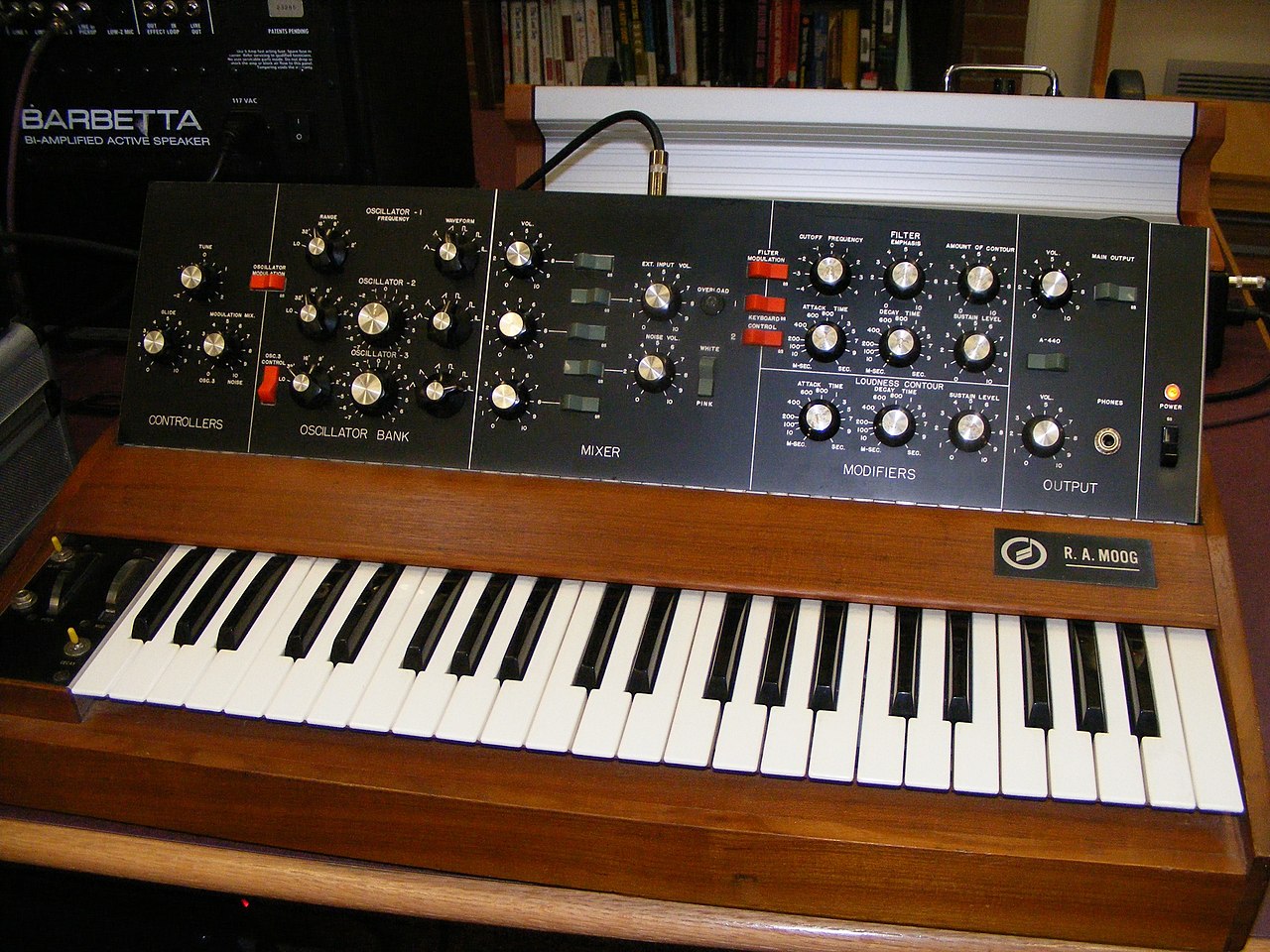
Beyond waveform generation, several core components shape the sound of a synthesizer. Filters are crucial for sculpting timbre, allowing you to remove or emphasize specific frequencies, much like adjusting the tone knob on a guitar. Envelopes (often ADSR: Attack, Decay, Sustain, Release) control how a sound evolves over time, dictating its loudness and filter cutoff from the moment a key is pressed until it's released. Low-Frequency Oscillators (LFOs) provide modulation, subtly or dramatically altering parameters like pitch (vibrato), volume (tremolo), or filter cutoff, adding movement and life to static sounds.
🎹 Playing and Controlling Synths
Synthesizers are typically played using a keyboard, similar to a piano, which triggers notes and controls their pitch. However, modern synths offer a multitude of control options. Sequencers, both hardware and software, can record and play back sequences of notes and parameter changes, enabling complex rhythmic patterns and evolving melodies. MIDI (Musical Instrument Digital Interface) is the universal language that allows synthesizers to communicate with computers, other synthesizers, and various controllers, facilitating intricate setups and synchronized performances. Many synths also feature arpeggiators, which automatically play a sequence of notes from a held chord.
🎧 Types of Synthesizers
The world of synthesizers is diverse, broadly categorized into analog synthesizers, which use physical electronic circuits to generate sound, often prized for their warmth and organic character; digital synthesizers, employing digital signal processing for a wider range of sounds and often greater stability; and hybrid synthesizers, which combine analog and digital elements. Within these, you'll find virtual analog synths that emulate analog circuits in software, and software synthesizers (soft synths) that run entirely on a computer, offering immense flexibility and affordability.
✨ The Sound Palette: Waveforms and Timbres
The sonic character of a synthesizer is defined by its waveforms and the resulting timbre. Common waveforms include the sine wave (pure tone, no harmonics), triangle wave (rich in odd harmonics, softer than a square wave), sawtooth wave (contains all harmonics, bright and buzzy), and square wave (contains odd harmonics, hollow or reedy). By combining, filtering, and modulating these basic shapes, artists can craft unique sounds, from the iconic lead lines of Moog synthesizers to the ethereal pads of Roland Juno series.
🚀 Synthesizers in Music History
The history of the synthesizer is a fascinating journey of technological innovation and artistic exploration. Early pioneers like Robert Moog and Don Buchla developed some of the first commercially viable modular synthesizers in the 1960s, revolutionizing music production. The 1970s saw the rise of more accessible instruments like the Minimoog and ARP Odyssey, bringing synths into popular music. The 1980s introduced digital synthesis with instruments like the Yamaha DX7, known for its FM synthesis and glassy tones, and the widespread adoption of MIDI standardized control. Each era brought new sonic possibilities and influenced genres from prog rock to electronic dance music.
🤔 Synthesizer vs. Sampler vs. Drum Machine
While often grouped together, synthesizers, samplers, and drum machines serve distinct purposes. A synthesizer generates sound from scratch using oscillators and filters. A sampler records and plays back existing audio snippets, manipulating them in various ways. A drum machine is typically a specialized synthesizer or sampler designed specifically for creating rhythmic patterns using drum sounds. While modern workstations often combine all three functions, understanding their individual roles is crucial for choosing the right tool for your musical needs.
💰 Cost and Accessibility
The cost of synthesizers varies dramatically, from free software synthesizers and affordable entry-level hardware synths to high-end modular systems and vintage collector's items costing tens of thousands of dollars. For beginners, virtual analog synths or compact digital synths offer excellent value, providing a wide sonic range without a massive financial commitment. As your skills and needs grow, you might invest in more specialized or premium instruments. Many software synths offer free trials, allowing you to experiment before purchasing.
🛠️ Getting Started with Synthesis
Getting started with synthesis can seem daunting, but it's incredibly rewarding. Begin by exploring software synthesizers on your computer, as they are often the most accessible and versatile entry point. Experiment with presets to understand how different parameters affect sound. Next, try manipulating basic waveforms with filters and envelopes. Don't be afraid to twist knobs and see what happens! Consider investing in a small MIDI keyboard to get a hands-on playing experience. Online tutorials and communities are invaluable resources for learning synthesis techniques.
🌟 Notable Synthesizer Innovators
Several key figures have shaped the evolution of the synthesizer. Robert Moog, often credited with popularizing the modular synthesizer, developed instruments that became iconic in progressive rock and electronic music. Don Buchla, working independently on the West Coast, explored alternative control interfaces and sonic possibilities. Dave Smith, founder of Sequential Circuits and later Dave Smith Instruments (now Sequential), was instrumental in developing the Prophet-5, one of the first polyphonic synthesizers, and championed MIDI. Yoshihiro Kawaguchi is a modern innovator in digital synthesis and sound design.
🔮 The Future of Synthesizers
The future of synthesizers points towards even greater integration, AI-assisted sound design, and more intuitive interfaces. We're seeing a resurgence of interest in analog synthesis alongside advancements in digital signal processing that push sonic boundaries further. Expect more powerful software synthesizers that rival hardware in sound quality and flexibility, alongside innovative hardware controllers that blend tactile control with digital precision. The ongoing dialogue between hardware and software, and the exploration of new synthesis methods like granular synthesis, will continue to drive innovation in electronic sound creation.
Key Facts
- Year
- 1964
- Origin
- USA
- Category
- Musical Instruments
- Type
- Musical Instrument
Frequently Asked Questions
What's the difference between analog and digital synthesizers?
Analog synthesizers generate sound using physical electronic circuits, often resulting in a warm, organic, and sometimes unpredictable character. Digital synthesizers use computer chips and algorithms to create sounds, offering greater precision, a wider sonic range, and often more complex sound-shaping capabilities. Many modern synths are hybrid, combining elements of both.
Can I use a synthesizer without a keyboard?
Absolutely. While keyboards are common controllers, synthesizers can also be controlled by sequencers, MIDI controllers (like pad controllers or guitar-like interfaces), computers running DAW software, or even other instruments. Many synths have built-in sequencers or arpeggiators that allow for standalone operation.
What is subtractive synthesis?
Subtractive synthesis is the most common type of synthesis. It starts with a harmonically rich waveform (like a sawtooth or square wave) generated by an oscillator and then uses filters to remove or attenuate certain frequencies, shaping the timbre. Think of it like starting with a block of marble and chipping away to reveal the sculpture within.
Are software synthesizers as good as hardware synthesizers?
For many applications, software synthesizers (soft synths) offer comparable or even superior sound quality and flexibility to hardware. They are often more affordable, easier to integrate into a computer-based studio, and can be updated easily. However, some musicians prefer the tactile experience and unique sonic character of dedicated hardware synths.
What is MIDI and why is it important for synthesizers?
MIDI (Musical Instrument Digital Interface) is a communication protocol that allows electronic musical instruments, computers, and other devices to talk to each other. It transmits performance data like note on/off, pitch, velocity, and controller information, but not audio. MIDI is crucial for connecting synthesizers to DAWs, sequencers, and other gear, enabling complex setups and synchronized performances.
How do I choose my first synthesizer?
Consider your budget, musical style, and desired workflow. For beginners, a virtual analog synth or a versatile digital synth (hardware or software) is often a good starting point. Look for instruments with intuitive controls and a good range of sounds. Reading reviews and watching demo videos can help you make an informed decision.